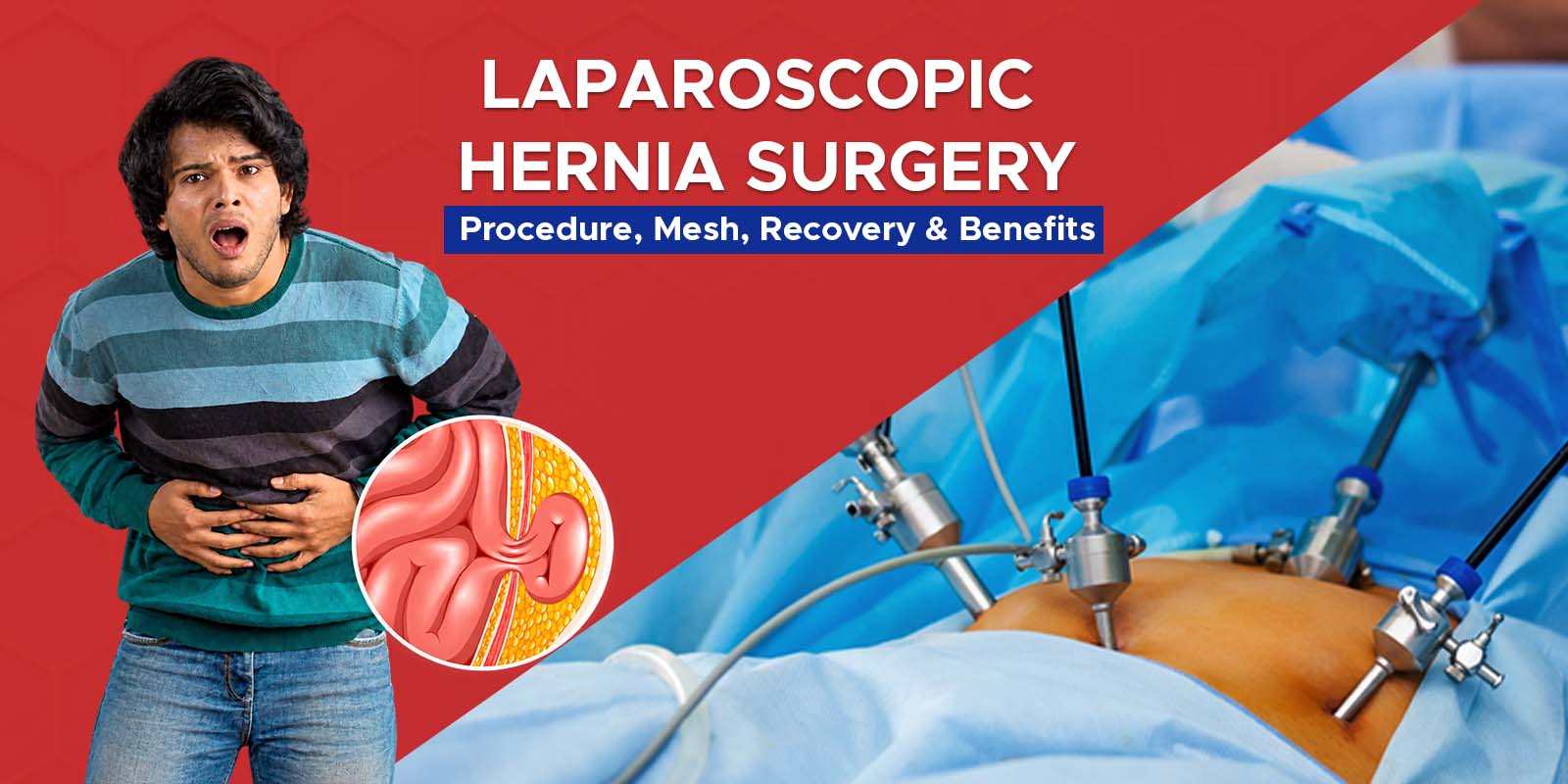
A hernia develops when an internal organ or tissue pushes through a weakened area of muscle or surrounding tissue. It may appear as a noticeable bulge and can cause pain, heaviness or discomfort, particularly while coughing, lifting or straining. Common types include inguinal, umbilical, incisional and femoral hernias. Hernias do not always cause symptoms initially, so medical evaluation is important when a new swelling or persistent discomfort develops.
Patients searching for a Best Hernia Surgeon in Hyderabad should understand that treatment depends on the hernia's type, size, symptoms, location and overall health. Surgery may be recommended when a hernia causes persistent discomfort, becomes larger, affects daily activities or has a risk of complications. Some small, minimally symptomatic hernias may be monitored, depending on individual circumstances.
Warning signs such as sudden severe pain, a firm or painful bulge that cannot be pushed back, persistent vomiting or abdominal swelling require urgent medical assessment.
A Best Laparoscopic Surgeon in LB Nagar can evaluate the hernia and discuss whether laparoscopic or open repair is appropriate. Laparoscopic repair is performed through small abdominal incisions using a camera and specialised surgical instruments. The surgeon places the displaced tissue back into position and repairs the weakened area.
Unlike open repair, which generally involves a larger incision directly over the hernia, laparoscopic surgery uses smaller access points. However, laparoscopic repair is not suitable for every patient, and the choice depends on the type of hernia, previous surgeries, medical history and surgeon's assessment.
Before surgery, the medical team reviews your health history, medicines and previous operations. You may receive instructions regarding fasting and medicines before the procedure.
During laparoscopic repair, the abdomen is accessed through small incisions. A camera provides a magnified view of the surgical area. The surgeon carefully returns the protruding tissue and reinforces the weakened abdominal wall, often using surgical mesh when appropriate. The instruments are then removed and the small incisions are closed.
Hernia mesh is a medical material used to reinforce a weakened area of the abdominal wall. It can provide additional support and is commonly used in many types of hernia repair. Mesh is not required in every situation, and the decision depends on factors such as hernia type, size, repair technique and the patient's individual circumstances.
Patients should discuss the expected benefits and potential mesh-related complications with their surgeon before treatment.
When appropriate, laparoscopic repair may offer smaller incisions, less disruption of surrounding tissues and potentially faster recovery compared with some open procedures. It may also be useful for certain bilateral or recurrent hernias. However, outcomes vary between patients, and laparoscopic surgery is not automatically the preferred approach for every hernia.
Recovery depends on the procedure, hernia type and individual health. Patients may experience temporary pain, bruising or swelling around the surgical sites. Walking is usually encouraged early, while strenuous activity and heavy lifting should be resumed only according to the surgeon's instructions.
Many patients gradually return to routine activities over the following days or weeks, but the exact timeline varies. Follow-up appointments help monitor healing and recovery.
As with any surgery, hernia repair can involve risks such as infection, bleeding, pain, anaesthesia-related complications and recurrence. Laparoscopic procedures may also have specific risks related to abdominal access or surrounding structures. Mesh-related complications can occur in some patients, including infection, chronic discomfort or mesh movement, although these are not inevitable.
No. The appropriate technique depends on the hernia and the patient's medical condition.
No. Mesh use depends on the type and characteristics of the hernia and the chosen repair technique.
Recovery varies. Your surgeon can provide a more individualised timeline based on the procedure performed.
Recurrence is possible after hernia repair. Following postoperative instructions and attending follow-up appointments can support appropriate recovery.
Dr. Rajashekar Reddy Laparoscopy Hospital in LB Nagar, Hyderabad provides surgical care for patients requiring evaluation and treatment. If you have a suspected or diagnosed hernia, consult a qualified surgeon to understand your treatment options and whether laparoscopic repair is appropriate for you.


 L. B. Nagar,
Hyderabad, Telangana 500074