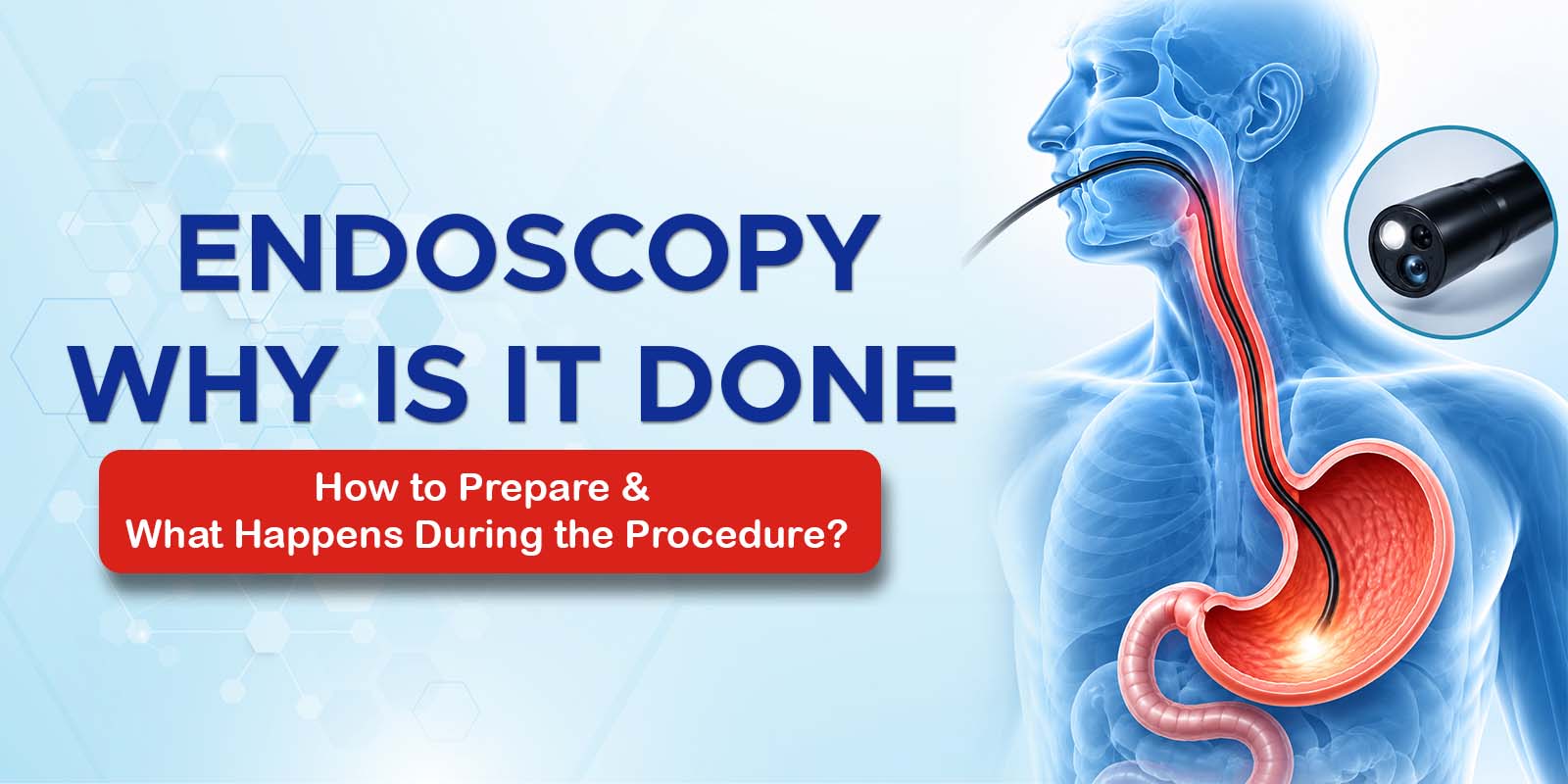
Endoscopy is a procedure that helps doctors examine the inside of the digestive tract using a thin, flexible tube with a camera and light. For patients searching for the Best Endoscopy Hospital in Hyderabad, understanding the procedure can help reduce uncertainty. An Upper GI Endoscopy examines the oesophagus, stomach and duodenum and may help identify inflammation, ulcers, bleeding or other abnormalities.
During a Gastrointestinal Endoscopy, images from the endoscope are viewed on a monitor. Endoscopy may be diagnostic, helping investigate symptoms, or therapeutic, allowing certain abnormalities to be treated. Upper GI endoscopy examines the upper digestive tract, while other procedures, such as colonoscopy, examine different areas.
A doctor may recommend an Endoscopy Procedure for persistent abdominal pain, difficulty swallowing, heartburn, acid reflux, nausea, vomiting, unexplained weight loss, gastrointestinal bleeding, black or tarry stools, persistent indigestion, suspected ulcers or gastritis. The need for Endoscopy in Hyderabad or elsewhere depends on the patient's symptoms, medical history and clinical evaluation.
Endoscopy can help assess gastritis, ulcers, oesophagitis, GERD-related changes, gastrointestinal bleeding, polyps, certain infections and abnormal or suspicious areas. However, it does not diagnose every digestive condition on its own. Further tests or a biopsy may sometimes be required.
Seek medical evaluation for persistent abdominal pain, swallowing difficulty, blood in vomit or stool, black stools, persistent vomiting, unexplained weight loss or long-lasting indigestion. Significant bleeding or severe symptoms require prompt medical attention.
Proper Endoscopy Preparation is important. You will usually need to fast so the stomach is empty, but exact food and drink restrictions vary. Tell your doctor about all medicines, especially diabetes and blood-thinning medicines, as well as allergies and existing medical conditions. Do not stop or alter prescribed medicines without specific instructions from your doctor or endoscopy team. If sedation is planned, arrange transport home as advised.
After registration and assessment, you may change clothing if required and have your vital signs monitored. Throat-numbing medicine or sedation may be used when appropriate. The endoscope is gently passed through the mouth to examine the oesophagus, stomach and duodenum. A biopsy or other intervention may be performed if needed. The endoscope is then removed, followed by recovery and observation.
The procedure is generally not painful for most patients, but gagging, pressure, bloating or throat discomfort can occur. Sedation may improve comfort for selected patients. The procedure itself is often brief, although preparation and Endoscopy Recovery can make the total hospital visit longer. Duration varies depending on the procedure and findings.
Temporary sore throat or bloating may occur. Eating and drinking should be resumed according to medical advice. If sedation is used, you may need someone to accompany you home and may have temporary restrictions on driving and other activities.
Possible side effects include temporary throat discomfort, bloating or reactions to sedation. Bleeding may occur, particularly after a biopsy or intervention. Serious complications, including perforation, are uncommon. Discuss your individual risks with your doctor.
Ultrasound, CT, MRI and barium studies provide different types of information. Unlike imaging tests, endoscopy allows direct examination and may allow a tissue biopsy. The appropriate test depends on your symptoms and clinical assessment.
Discomfort can vary; sedation or throat-numbing medicine may be used when appropriate.
Follow the exact fasting instructions provided by your doctor or endoscopy team.
Some medicines may need adjustment. Ask your doctor, particularly about diabetes or blood-thinning medicines.
No. A biopsy is taken only when clinically required and does not necessarily mean cancer is suspected.
No. The approach depends on the procedure and individual circumstances.
Visual findings may be discussed soon after the procedure, while biopsy results can take longer.
Dr. Rajashekar Reddy Laparoscopy Hospital is a multispeciality surgical centre in LB Nagar, Hyderabad. Its official website lists Diagnostic & Endoscopy Services, including in-house endoscopy, colonoscopy and sigmoidoscopy, alongside laboratory, digital X-ray, ultrasound and 2D Echo services. Patients looking online for Best Diagnostic & Endoscopy Services in LB Nagar or the Best Endoscopy Hospital in Hyderabad can discuss their symptoms and diagnostic needs with a qualified medical professional to determine the appropriate investigation.
Endoscopy can help doctors investigate persistent digestive symptoms and examine the upper digestive tract in greater detail. Proper Endoscopy Preparation, following medical instructions and allowing adequate Endoscopy Recovery are important for a smooth experience. Patients in Hyderabad who have been advised to undergo endoscopy can consult Dr. Rajashekar Reddy Laparoscopy Hospital, LB Nagar, and discuss their symptoms and diagnostic requirements with Dr. Rajashekar Reddy or the appropriate qualified medical professional.


 L. B. Nagar,
Hyderabad, Telangana 500074